
Read the Sumter County Owner-of-Record Card
The Americus-Sumter GIS tax-parcel layer carries a rich current-owner record even when the assessor's interactive card is down. Its FULLOWNERNAMES field is plainly labeled "Owner Name." Four more fields, OWNERNME1 through OWNERNME4, split a long personal or entity name into parts. A name alone settles nothing. Read it beside the address, sale, legal-description, and parcel-key fields on the same card.
| Owner name | FULLOWNERNAMES and component fields identify the party carried on the parcel layer. |
|---|---|
| Mailing address | PSTLADDRESS, city, state, ZIP5, and ZIP4 show where owner correspondence goes. |
| Situs address | SITEADDRESS, ADDRESS, city, and ZIP locate the land itself. |
| Parcel keys | PARCELID, page-parcel, and block/land-lot identifiers keep the search tied to the same tract. |
| Transfer clues | SALEDATE, SALEPRICE, grantor, and grantee can point toward the newest deed. |
| Description and freshness | The legal description and LASTUPDATE help test identity and timing. |
An owner mailing address says nothing about who lives there. A trust, a company, an estate, or a nonresident owner can list a postal address far from the Sumter County situs. The flip side holds too. An occupant is not always the owner. The record card names the taxpayer; the recorded deed proves how title actually vests.
Find Sumter County's Exact Owner Field
Two official doors lead to the owner field. Open the Americus-Sumter public GIS viewer or the county-linked qPublic property information portal. Either one accepts a situs address, an owner name, or a parcel number. The official Address & Parcel Finder is flexible about format. Addresses, owner names in ordinary or surname-first order, and parcel numbers up to eleven alphanumeric characters all work. A separate public tax-parcel service documents the owner field in full. Grantor, grantee, sale, value, exemption, zoning, flood, septic, legal-description, and tax-district attributes ride along in the same schema. That depth lets you tell a genuine Sumter County current owner from a stale search hit. It also separates a similarly named person. The official parcel-layer field inventory lists every alias. The owner, address, and transaction names all point to one record. Read them as a group.
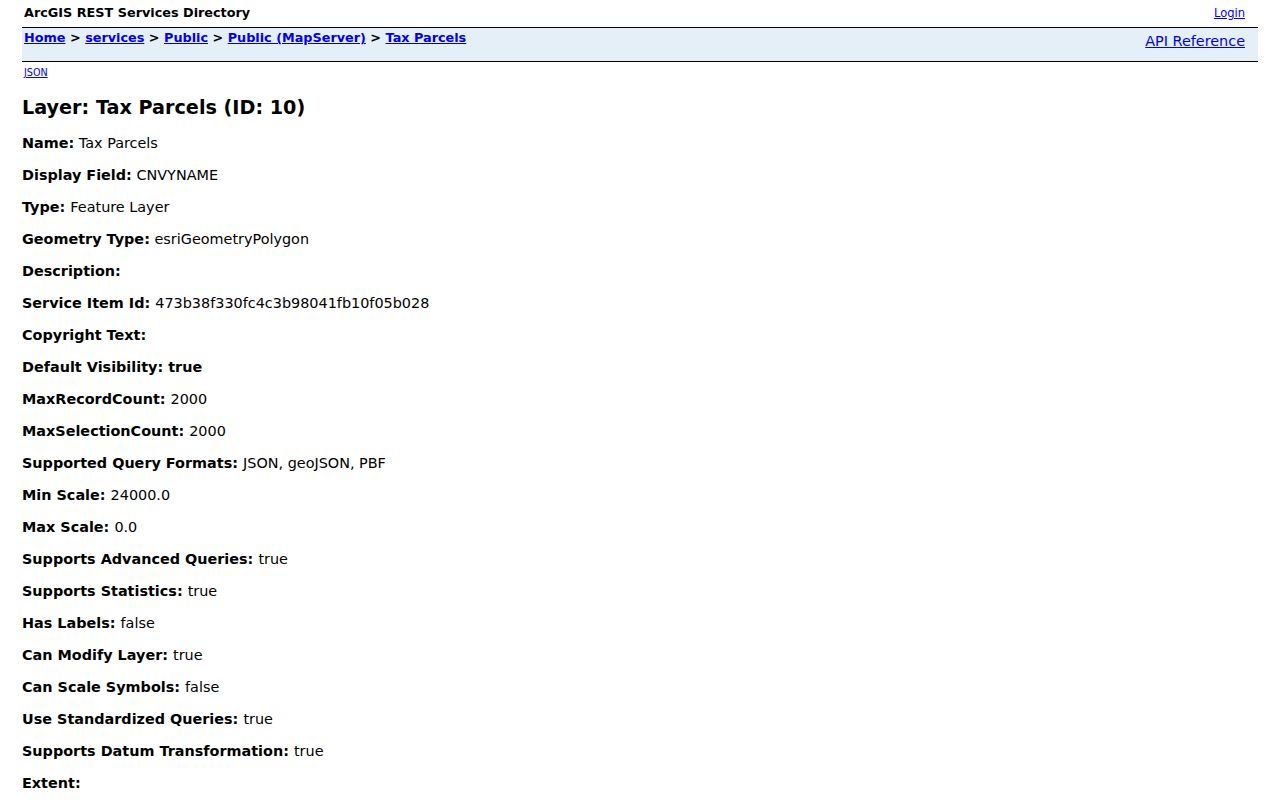
The layer bridges a street address to the recorded deed nicely. Its map disclaimer still asks for independent verification, though.
Separate Owner Mail From the Sumter County Situs
Situs fields say where the parcel sits. Postal fields say where notices go. The gap between them explains many apparent mismatches without undermining ownership at all. Keep both address sets in your notes, alongside the parcel ID and legal description, so the search never drifts to a different tract.
Definition. “Owner of record” is the party carried on the public roll; “situs” is the property's physical location; “recording lag” is the interval before a filed transfer appears in another system.
For lawful property business, the published tax-mailing address is the right correspondence route. It should never be used to guess where a person lives or to pursue uninvited contact. Note: A mailing city or ZIP can differ from the municipality holding the parcel, so rely on the GIS boundary and parcel fields.
The January 1 Rule Can Leave an Older Name
Sumter County's tax information page states the local timing rule plainly. Property is assessed to whoever owns it on January 1. Sell the land later that year and the January 1 owner still gets the bill. That owner stays responsible under the county's own explanation. Once the deed is recorded, the assessor registers the transfer. From the following year on, assessment notices and tax bills go to the new owner. They are sent to the address on the deed. No county source posts a fixed refresh schedule for qPublic or the GIS layers. So a current-owner check done right after closing should lean on the newest recorded deed first. Understand why the assessment roll may still show the seller. The tax bill and the deed can both be accurate. They describe different moments in the update cycle.
Recent-sale warning. The roll may lag a closing; the newest recorded deed is the stronger current-owner confirmation while systems update.
Verify the Current Sumter County Owner
Good confirmation moves in one direction. Start at the present parcel record. End at the newest instrument. Reconstructing the property's full history is unnecessary and usually noise. Keep every identifier in view so the deed and the parcel describe the same land.
- Locate the parcel in qPublic or GIS and record the owner name, situs, mailing address, parcel ID, legal description, sale date, and last-update clue.
- Open the GSCCCA Real Estate Index, limit the geography to Sumter County, and look for the latest conveyance involving that owner or tract.
- Compare the deed's grantee, recording date, book/page or instrument identifier, and legal description with the parcel card.
- If the owner is an entity, check its public filing in the Georgia Corporations Division Business Search; do not assume the registered agent owns the land.
- Owner of record
- The party carried as owner in a public government record.
- Vesting
- The way an instrument places title in an individual, multiple people, a trust, or an entity.
- Registered agent
- An entity's official service contact, not proof of who owns the entity or its real estate.
The GSCCCA search landing page is the statewide doorway to real-estate indexes. Deeds, liens, plats, and related records all sit behind it.
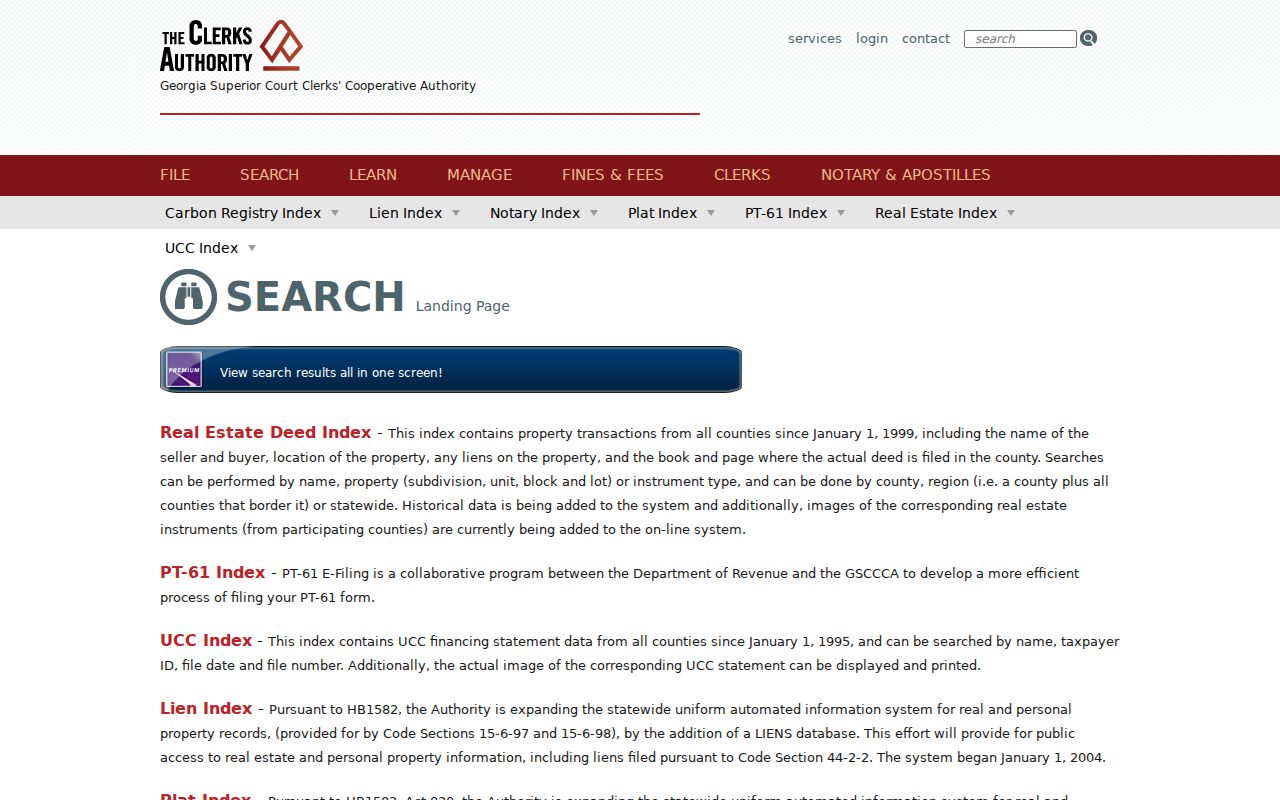
Treat the most recent matching deed as confirmation. Still compare the land description and recording details before drawing conclusions.
Interpret LLC, Trust, and Estate Owners
A Sumter County owner of record may be an LLC, a named trust, or an estate. Sometimes several names stack together. Search aggressively. Try punctuation variants. Try full and abbreviated entity suffixes, surname-first personal names, initials, married names, trustee names, and "Estate of" constructions. The deed often names a trustee, executor, or administrator. It may also list a life tenant or remaindermen the terse tax field never mentions. The state business search verifies an entity's legal name, control number, status, and registered agent. That helps with identity matching. Remember the agent is only the entity's service contact. For trusts and estates, the latest deed gives far better ownership context than any commercial directory. Sumter Probate Court records help when needed. Note: Match entity names with the parcel ID and legal description. Punctuation or suffix changes alone do not establish a different owner.
Understand Sumter County Nondisclosure Flags
Sumter County keeps a NonDisclosure field in its GIS schema. The county also publishes a law-enforcement request form for shielding property records. That form names the Tax Assessor/qPublic system, the county tax site, the City of Americus tax site, and ASGIS. To file it, an owner supplies three things. These are the owner-of-record name, the physical address, and the map-parcel number. Approved requests come off the systems within 30 days, the form says.
This local process explains why public systems do not always show the same owner-address information. A blank or protected address should never be filled in from an unrelated source. Georgia law also shields specified data through statutory exceptions to the Georgia Open Records Act. Request only the records a legitimate property purpose requires.
Monitor Future Sumter County Filings With FANS
The free Filing Activity Notification System can alert a registered user when future clerk-indexed real-property activity matches selected names or parcel-related criteria. It is statewide rather than a separately branded Sumter County fraud-alert service, and it does not replace checking the present owner today.
FANS notices depend on information entered, indexed, and transmitted by clerks. The program warns that results are not guaranteed complete, accurate, or current. Treat an alert as a prompt to inspect the underlying instrument and contact the Sumter County Clerk when a filing appears unfamiliar.
Use Sumter County Owner Data Lawfully
An owner name and tax-mailing address pulled from public records can support a purchase inquiry, a boundary discussion, or an estate question. It can also support an assessment dispute. Put the data to work on real property matters rather than idle curiosity about a neighbor.
For the official recorded instrument behind a listing, visit the Sumter County Clerk of Superior and State Court at 500 W Lamar Street in Americus. The office is open Monday through Friday, 9 a.m. to 5 p.m. It also answers the phone at 229-928-4537.
Lawful use. Public owner information is appropriate for legitimate property research. Never use a name or mailing address to stalk, harass, threaten, or harm anyone.
Remember that a tax roll entry is not a title opinion. If ownership matters to a transaction, easement, inheritance, or boundary dispute, pull the recorded deed records and get professional advice.
not-applicable